
Labia Majora Surgery in Korea
Firm up protruding or wrinkled Labia
What is Labia Majora Surgery?
The labia majora are fatty tissues that surround the outer part of the labia minora, protecting the labia minora and clitoris, and acting as a cushion during sexual activity. A normal labia majora typically has a smooth, arch-like shape with firm and plump volume.
However, an addition to congenital factors, the labia majora can become deformed due to external factors such as childbirth, sexual intercourse, hormonal influences, aging, and excessive dieting.
If the labia majora become enlarged and cover the vaginal opening, or if they have many wrinkles or are dark in color, this can cause a loss of self-confidence. In addition, deformation of the labia majora not only affects appearance, but can also cause heath issues such as vaginitis, itchiness, and bad odor, so appropriate treatment is necessary.

Types of Labia Majora Surgery
Labia majora that lack volume are made more voluminous by grafting autologous fat to the labia majora, and loose or hypertrophic labia majora can be reduced through liposuction or excision surgery.
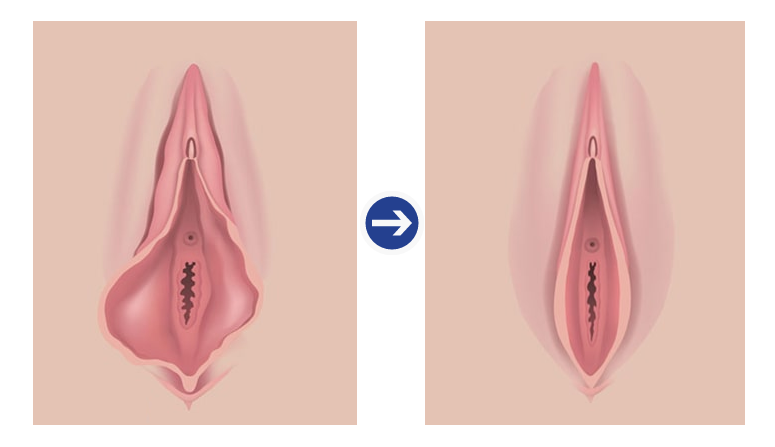
Labia majora enlargement
In cases where the labia majora lack volume, augmentation surgery is performed for functional and cosmetic reasons. The elasticity of the vulva that has been lost due to aging or other causes is restored using surgical methods such as autologous fat grafting, autologous dermal grafting, excision, implant injection, and laser treatment.
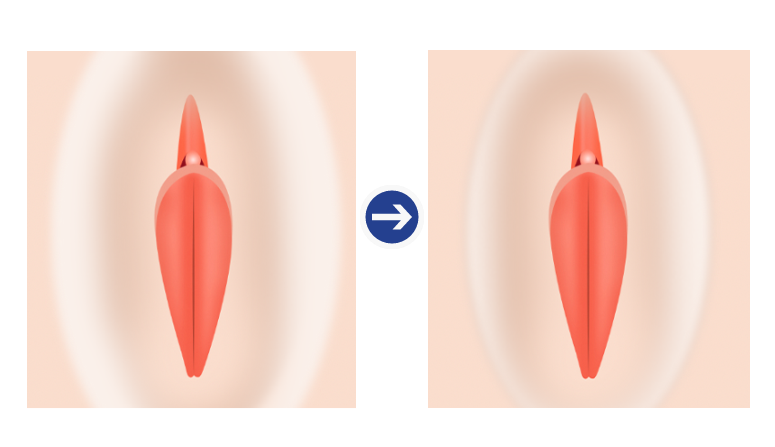
Labia majora reduction
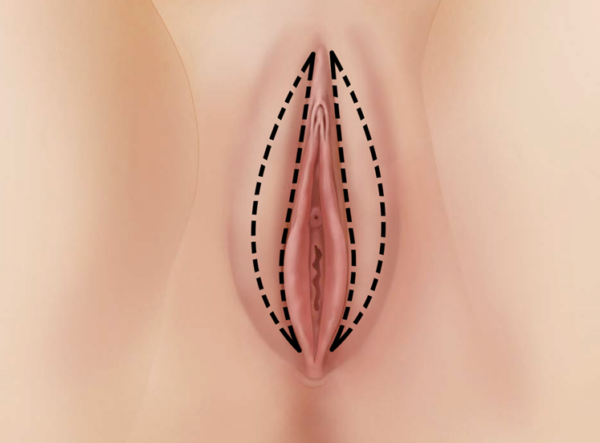
In cases of severe wrinkles and sagging labia majora, labia majora that are unevenly developed on both sides, or asymmetrical labia majora, the labia majora are reduced and corrected through liposuction or excision surgery.
Labia Majora surgery process
The surgery is performed in different ways depending on the size and shape of the labia majora.
▪️ Labia Majora Reduction Surgery : Surgery to reduce the protruding area by excising the labia majora
▪️ Labia Majora Lifting Surgery : Surgery to lift and restore elasticity to the labia majora
▪️ Labia Majora Augmentation Surgery : Surgery to graft autologous fat to give natural volume to the labia majora
Surgery Time
Less than 1 hour
Anesthesia
General / Local anesthesia
Hospitalization
Same-day discharge
Stitch Removal
Not needed
Abstinence Period
3 weeks
Who Needs Labia Majora Surgery?
Labia majora surgery is not purely size correction and the removal of wrinkles, but is also performed taking the harmony of the surrounding labia minora and clitoris into consideration. In addition to external improvement of the labia majora, it can also sexual sensation, prevent gynecological diseases, and provide aesthetic satisfaction.
Frequently Asked Questions
What is labia majora plastic surgery?
Labia majora plastic surgery involves procedures to modify the size, shape, or volume of the labia majora—the outer, hair-bearing lips of the vulva. This can include augmentation for those with underdeveloped labia majora or reduction for those with enlarged or sagging labia majora.
What causes labia majora deformities?
Deformities of the labia majora can result from congenital factors, pregnancy and childbirth, hormonal effects, aging, and significant weight changes. These factors may lead to changes in size, shape, or elasticity of the labia majora.
What are the different types of labia majora surgeries?
There are two primary types of labia majora surgeries:
- Labia Majora Augmentation: For individuals with underdeveloped or sagging labia majora, augmentation can restore volume and elasticity. Techniques include autologous fat grafting, dermal grafting, implant injections, and laser treatments.
- Labia Majora Reduction: For those with enlarged or sagging labia majora, reduction surgery involves liposuction or excision to remove excess tissue, resulting in a more balanced and aesthetically pleasing appearance.
Who is a suitable candidate for labia majora surgery?
Suitable candidates include individuals who:
- Frequently experience female health issues.
- Are dissatisfied with the appearance of wrinkles or sagging in the labia majora.
- Feel discomfort during sexual intercourse due to labia majora concerns.
- Experience discomfort when wearing tight clothing.
- Desire smoother and more elastic labia majora.
What is the recovery process after labia majora surgery?
Recovery details include:
- Surgery Time: Approximately 1 hour.
- Anesthesia: Local or general anesthesia.
- Hospitalization: Same-day discharge.
- Stitch Removal: Not required.
- Abstinence Period: Abstain from sexual activity for 3 weeks post-surgery.
What are the potential risks of labia majora surgery?
As with any surgical procedure, labia majora surgery carries potential risks, including bleeding, infection, scarring, and changes in sensation. It’s essential to consult with a qualified surgeon to discuss these risks and determine if the procedure is appropriate for you.