
Hair Transplant in Korea
Natural Density. Undetectable Results
Premium Hair Transplant
A successful hair transplant isn’t simply about moving more hair follicles. It’s about recreating a hairline that looks as though it has always been yours.
Hair loss around the forehead or receding temples can make the face appear older and more tired. At SH Clinic, every procedure is designed by a board-certified plastic surgeon who understands facial aesthetics as well as hair restoration.
Using our personalized Slit implantation technique, we carefully recreate your natural hairline while minimizing donor-area scarring. Every graft is placed according to the ideal angle, direction, and density, resulting in fuller hair that blends seamlessly with your existing hair.
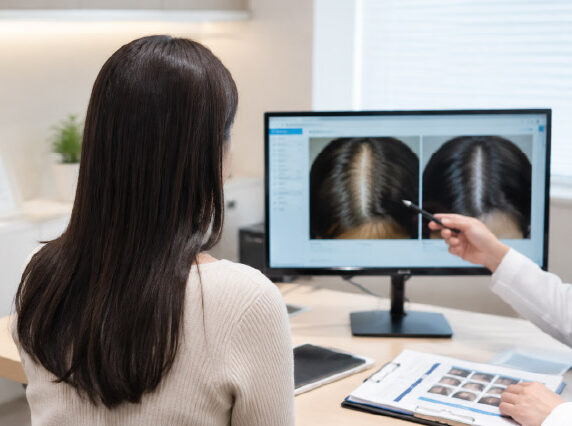
Personalized Hairline Design
Hair transplantation is more than filling empty spaces. Every patient’s facial proportions, hair characteristics, and pattern of hair loss are unique. We carefully analyze your facial balance, hair growth direction, density, and long-term aesthetic goals to create results that continue to look natural for years to come.
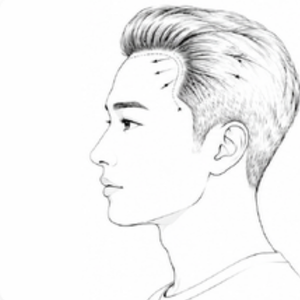
M-Shaped Hairline Restoration
We restore density to the temple area while adjusting the angle and direction of every graft to create a naturally flowing hairline—even when your hair is styled back or exposed in the wind.
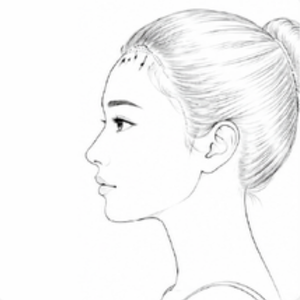
Feminine Hairline Refinement
Designed for women with a high or uneven forehead. A softly rounded hairline and subtle baby hairs create a smaller-looking forehead and enhance overall facial balance for a naturally youthful appearance.
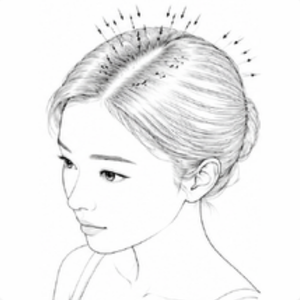
Crown Density Restoration
Perfect for patients with diffuse thinning or reduced density. Healthy follicles are strategically transplanted to improve fullness throughout the crown while maintaining a natural distribution.
Why Choose FUT Hair Transplant at SH Clinic?
High Graft Survival
During FUT surgery, donor tissue is harvested from the back of the scalp and each follicular unit is meticulously separated under a microscope. This minimizes follicle damage compared to conventional harvesting methods and helps maximize graft survival for long-lasting results.
Ideal for Large Sessions
General / LoFUT allows a large number of healthy grafts to be harvested efficiently, making it an excellent choice for extensive hair loss or patients requiring high-density transplantation. The shorter harvesting time also reduces the amount of time follicles remain outside the body, helping preserve graft quality.
Advanced Scar-Minimizing Closure
Many patients worry about visible donor scars after FUT. Our plastic surgeon uses advanced trichophytic closure techniques and meticulous suturing methods to minimize scarring. Hair naturally grows through the scar line, making it difficult to detect once healed.
High Graft Survival
During FUT surgery, donor tissue is harvested from the back of the scalp and each follicular unit is meticulously separated under a microscope. This minimizes follicle damage compared to conventional harvesting methods and helps maximize graft survival for long-lasting results.
Ideal for Large Sessions
General / LoFUT allows a large number of healthy grafts to be harvested efficiently, making it an excellent choice for extensive hair loss or patients requiring high-density transplantation. The shorter harvesting time also reduces the amount of time follicles remain outside the body, helping preserve graft quality.
Advanced Scar-Minimizing Closure
Many patients worry about visible donor scars after FUT. Our plastic surgeon uses advanced trichophytic closure techniques and meticulous suturing methods to minimize scarring. Hair naturally grows through the scar line, making it difficult to detect once healed.
Who Is a Good Candidate?
Premium FUT Hair Transplant may be ideal if you: